

Nghiên cứu trao đổi
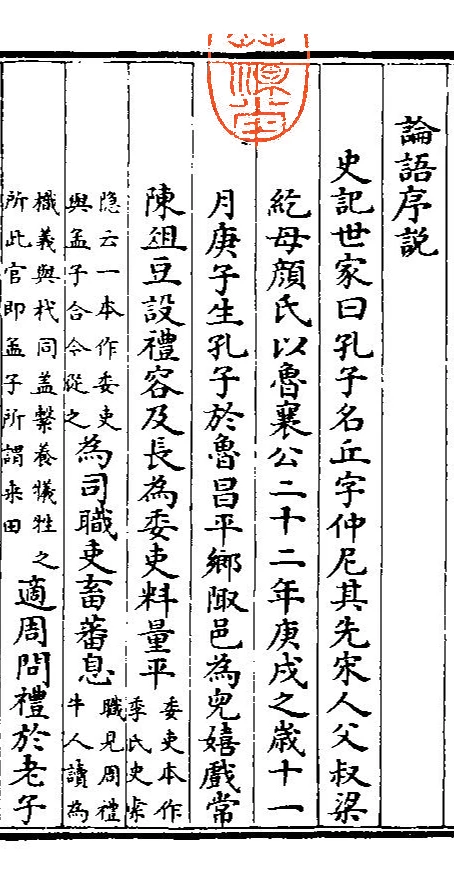
Trong hệ thống tư tưởng của Khổng Tử, hai phạm trù quân tử (君子) và tiểu nhân (小人) không phải để phân chia địa vị xã hội, mà để chỉ hai nẻo tu thân, hai lối sống: một hướng thượng theo nghĩa và đức, một đắm đo lợi và vật dục .
Bài viết này khảo sát toàn bộ những lời dạy về quân tử và tiểu nhân trong Luận ngữ - từ Học nhi đến Nghiêu viết - phân tích theo các tiêu chí: hướng đến nghĩa hay lợi; tâm thái thản đãng hay sầu não; đối nhân xử thế rộng lượng hay cầu toàn; lấy mình làm gốc hay đổ lỗi cho người; ba đức trí, nhân, dũng; ba điều răn, ba điều kính sợ, chín điều suy nghĩ; cùng các phẩm chất tu thân khác trong học vấn, ngôn hành, và quan hệ xã hội.
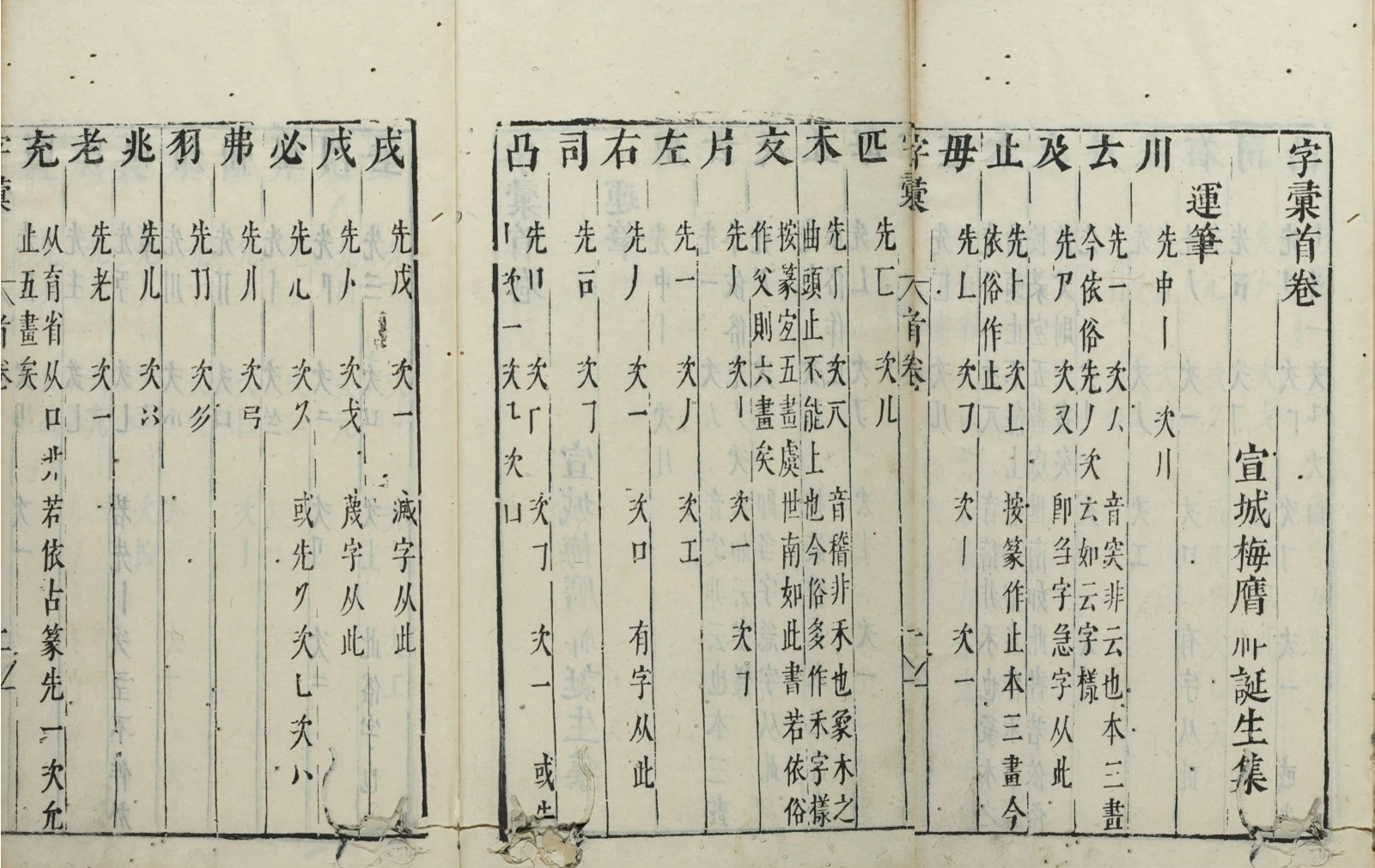
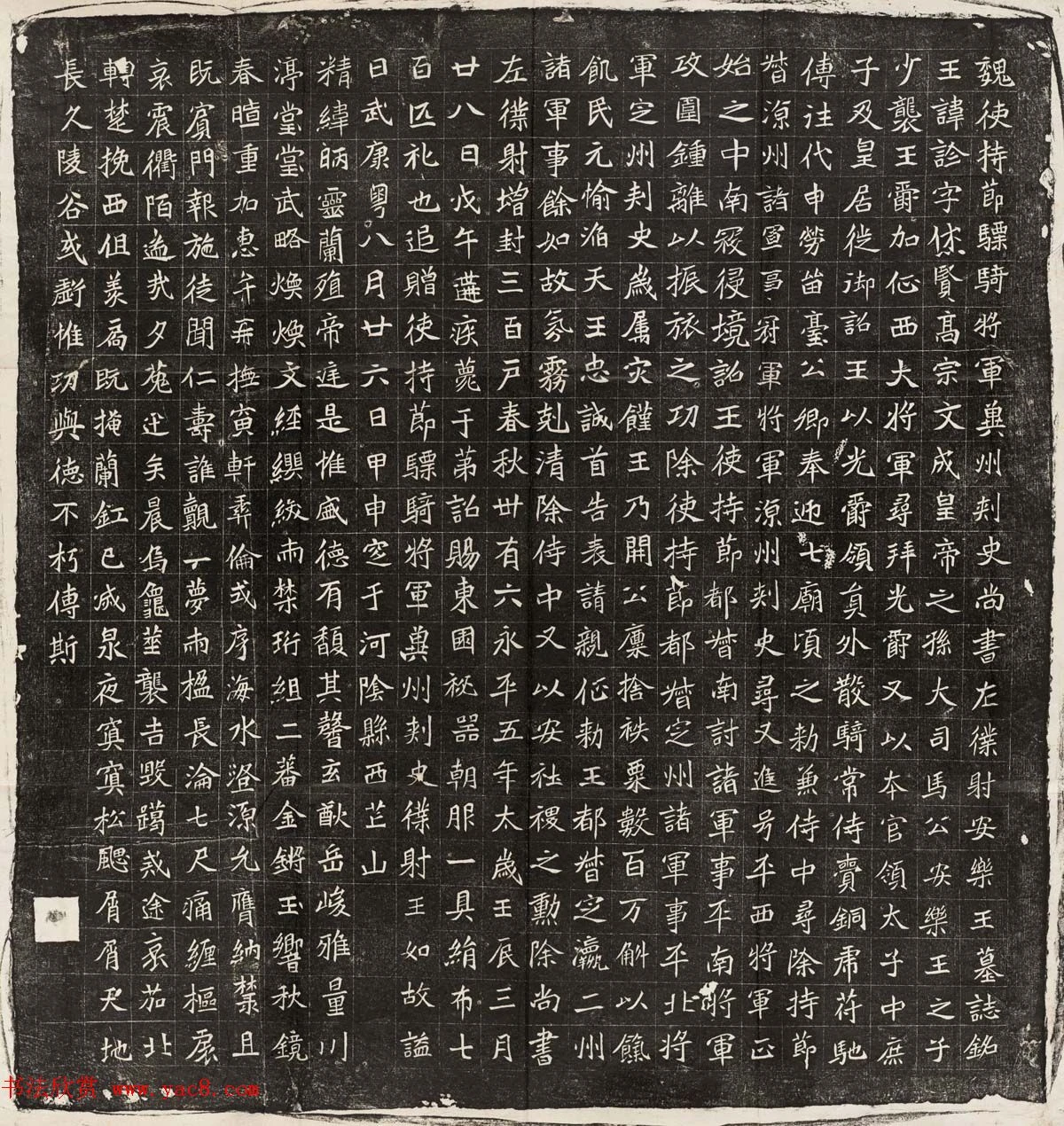
《Nguyên Thuyên mộ chí》(元詮墓志), toàn xưng 《Ngụy sứ trì tiết Phiêu kỵ tướng quân Ký Châu thứ sử Thượng thư tả bộc xạ An Lạc vương mộ chí minh - 魏使持節驃騎將軍冀州刺史尚書左僕射安樂王墓志銘 》, là một trong những bia đá thuộc hàng tinh phẩm trong kho tàng thư pháp Ngụy bi.
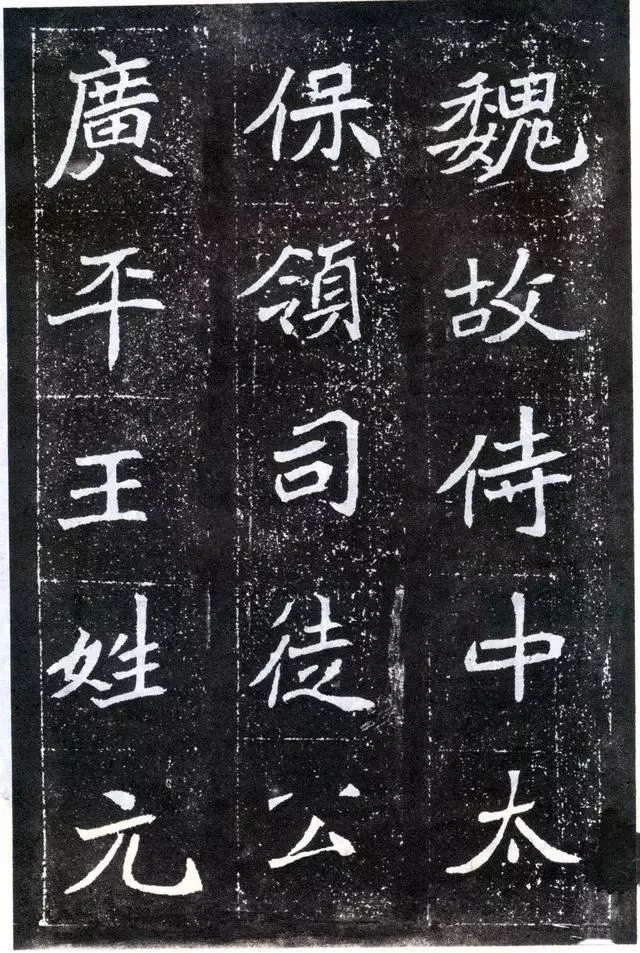
《Nguyên Hoài mộ chí》khắc vào tháng 8 năm Hy Bình thứ hai (517) đời Bắc Ngụy, năm 1925 được khai quật tại thôn Trương Dương, Lạc Dương, Hà Nam, nguyên thạch hiện đang lưu trữ tại Bảo tàng thành phố Khai Phong.
Văn bia 《Nguyên Hoài mộ chí》viết bằng lối chữ Khải, gồm mười sáu hàng, mỗi hàng hai mươi chữ. Đá bia cao tám mươi mốt xăng-ti-mét, rộng tám mươi xăng-ti-mét, dày mười chín xăng-ti-mét. Các bia mộ thời Bắc triều, thì hình thể đa dạng, không thể kể xiết, mỗi bia đều có phong vận riêng, 《Nguyên Hoài mộ chí》thì chữ viết chính tề, công chỉnh, đậm đà vững chắc, đã có dáng vẻ của lối chữ Khải thời Đường.
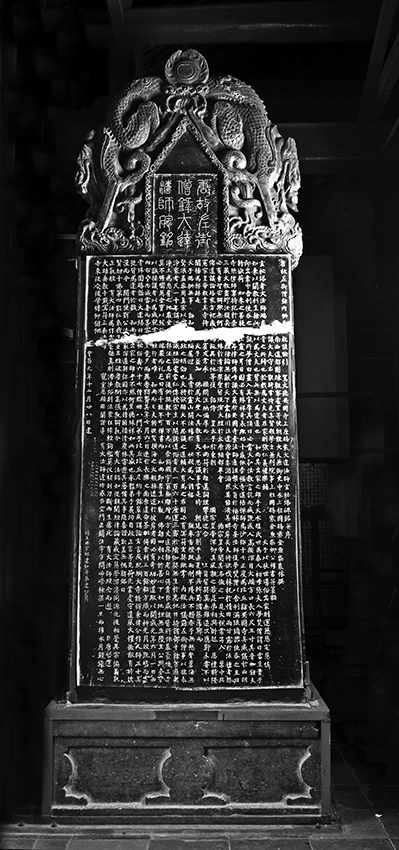
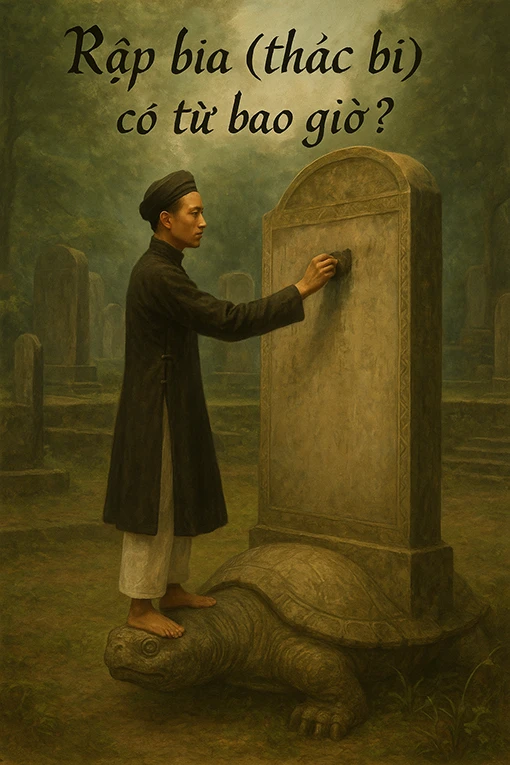
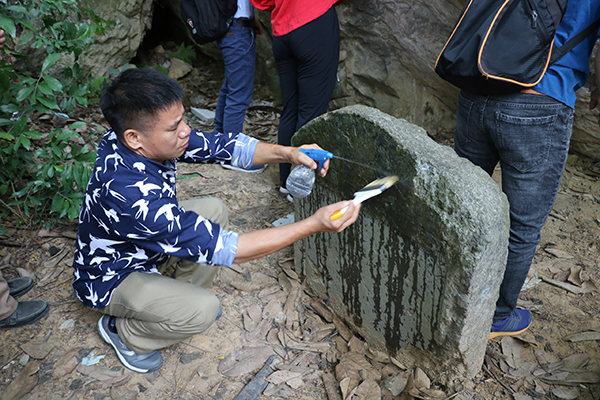
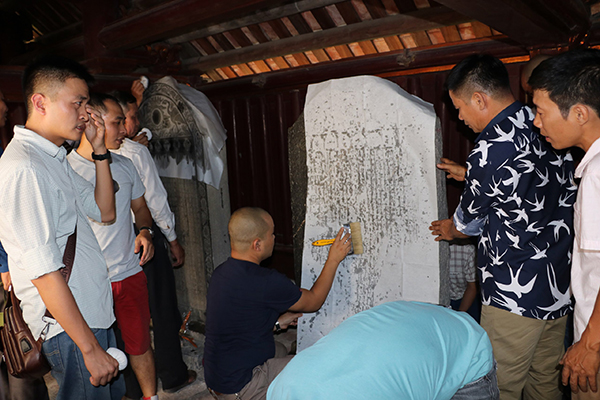
Bài viết này được biên soạn nhằm cung cấp một cái nhìn chuyên sâu và toàn diện về nghệ thuật thác bia (拓碑), một kỹ thuật in ấn cổ xưa dùng để sao chép các văn tự, hình vẽ hoặc họa tiết được khắc trên bề mặt vật liệu cứng như đá. Kỹ thuật thác bản đóng vai trò quan trọng trong việc bảo tồn và truyền bá các văn bản cổ, biến mỗi bản sao thành một tác phẩm nghệ thuật có giá trị lịch sử.1 Chuyên khảo này không chỉ giới thiệu về các công cụ và quy trình mà còn đi sâu phân tích bối cảnh lịch sử, giá trị văn hóa, các nguyên tắc bảo tồn di sản, và tiềm năng ứng dụng công nghệ hiện đại. Đây là một tài liệu chuyên biệt, tập trung duy nhất vào kỹ thuật tạo ra thác bản văn bia, một phương pháp lưu giữ tri thức và nghệ thuật điêu khắc trên đá có giá trị to lớn.
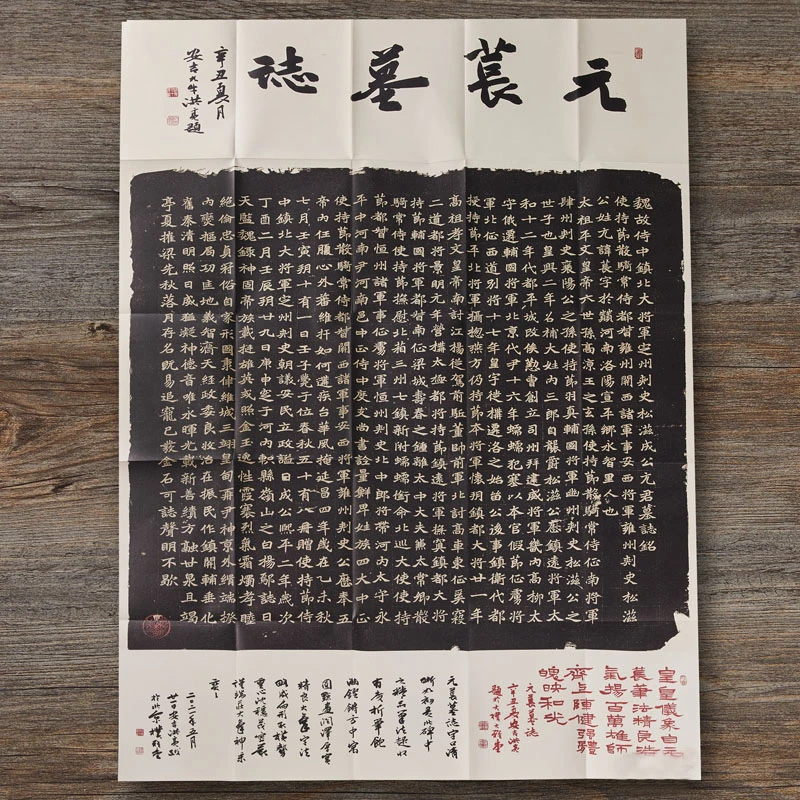
Bia mộ "Nguyên Trành" (元苌墓志), có tên đầy đủ là "Ngụy Cố Thị Trung Trấn Bắc Đại Tướng Quân Định Châu Thứ Sử Tùng Tư Thành Công Nguyên Quân Mộ Chí Minh" (魏故侍中镇北大将军定州刺史松滋成公元君墓志铭), là một phát hiện khảo cổ và thư pháp quan trọng. Phiến đá bia cao và rộng đều 79 cm, được khai quật vào năm 2002 tại thành phố Tế Nguyên, tỉnh Hà Nam. Văn bia gồm 26 dòng, mỗi dòng đủ 26 chữ, tổng cộng 664 chữ, được khắc bằng thư thể Khải thư (楷书) chín muồi.

Tóm tắt:
Lý Dương Băng là nhân vật mang tính bước ngoặt trong lịch sử phát triển thư pháp Triện thư [篆书 ): Thể chữ thư pháp cổ xưa nhất của Trung Quốc, phát triển từ chữ khắc trên mai rùa, xương thú (Giáp cốt văn, Kim văn), đạt đỉnh cao dưới thời Tần, với Lý Tư là đại diện tiêu biểu. Gồm Đại Triện (thời Chu) và Tiểu Triện (thời Tần)]. Ông là bậc đại gia phục hưng Triện thư sau Lý Tư 李斯 (khoảng 284–208 TCN), Thừa tướng nhà Tần, được coi là "Tổ sư Tiểu Triện", người đã chuẩn hóa Tiểu Triện dưới thời Tần Thủy Hoàng, có ảnh hưởng sâu rộng tới hậu thế và nhận được nhiều lời khen ngợi. Tuy nhiên, vào cuối thời Minh đầu thời Thanh [Minh (1368–1644), Thanh (1644–1912): Hai triều đại phong kiến cuối cùng của Trung Quốc], nhiều đánh giá lại mang sắc thái phê phán, chỉ trích. Điều này có mối liên hệ mật thiết, không thể tách rời với tư tưởng phục cổ đương thời [复古 : Trào lưu học tập, hướng về các giá trị cổ điển], thân thế, trải nghiệm cá nhân của các nhà bình luận, cũng như các yếu tố môi trường như vùng miền họ sinh sống.
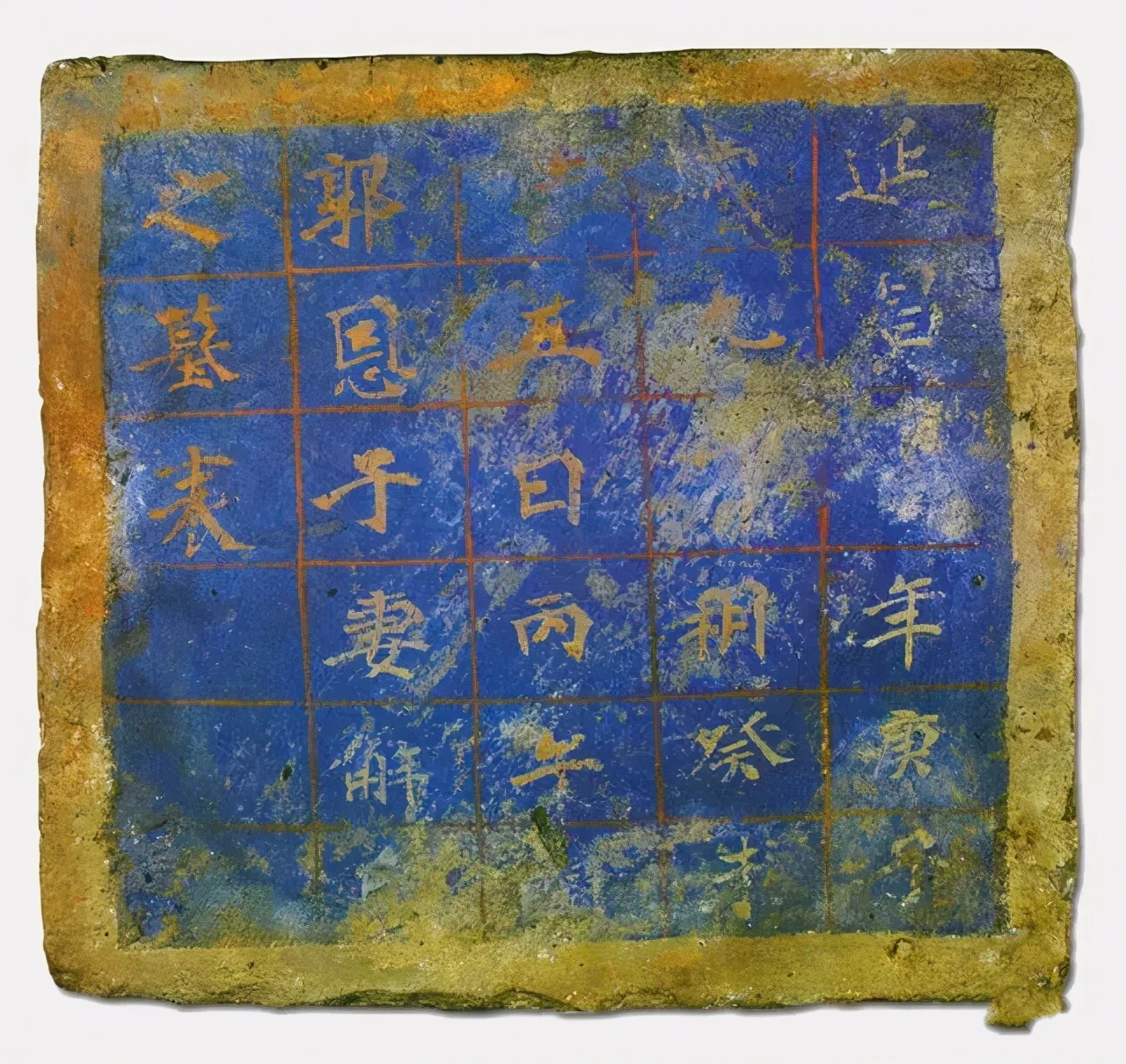
Tân Cương – vùng đất khô hạn nằm dọc theo “Con đường tơ lụa” – từ lâu được xem là kho tàng lưu giữ nhiều di vật thư pháp cổ quý giá nhờ điều kiện khí hậu đặc biệt. Trong nhiều thập kỷ, các bia đá thời Ngụy như “Trương Mạnh Long bi” từng được hậu thế xem là chuẩn mực vàng cho phong cách Ngụy bi (魏碑). Tuy nhiên, những phát hiện khảo cổ gần đây tại Tân Cương, đặc biệt là ở khu mộ Astana thuộc thành cổ Cao Xương, đã làm thay đổi nhận thức truyền thống ấy, khi hé lộ chân dung thực sự của khải thư thế kỷ VI – không phải qua nét khắc đá cứng nhắc, mà là dưới dạng bút tích viết tay đầy sinh động.
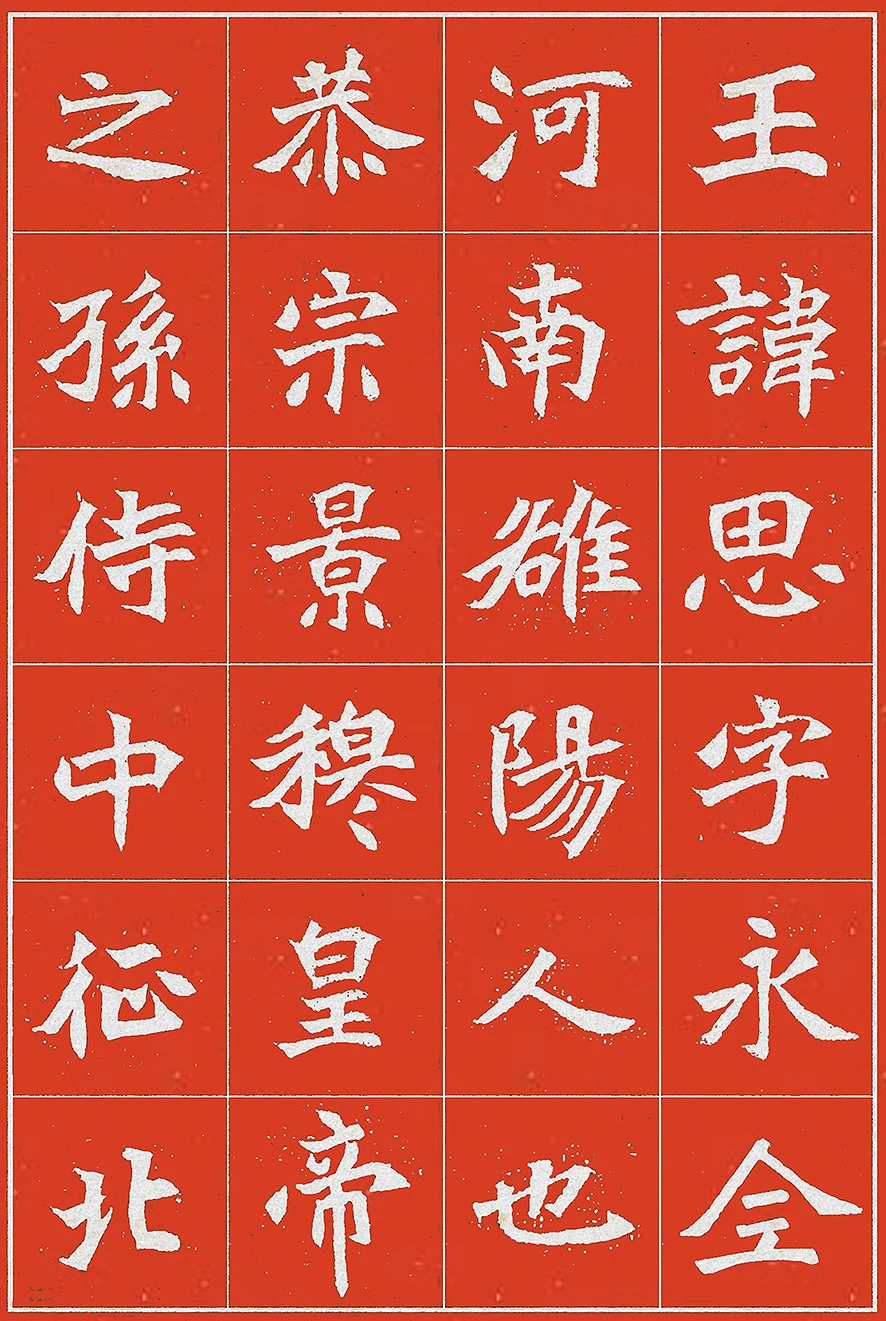
Bài viết giới thiệu và phân tích bia mộ Nguyên Tư (元思墓志) – một kiệt tác tiêu biểu trong dòng thư pháp Ngụy Bi (魏碑) thời Bắc Ngụy. Tác phẩm không chỉ có giá trị thẩm mỹ cao mà còn phản ánh rõ quá trình chuyển hóa từ Lệ thư sang Khải thư trong lịch sử thư pháp Trung Hoa. Bia Nguyên Tư, hiện lưu giữ tại Bảo tàng Cát Lâm, được đánh giá là một trong những tấm bia mộ đẹp nhất của thời kỳ này, nổi bật với phong cách “thông sướng lưu lệ” độc đáo, tinh tế. Bài viết cũng cung cấp toàn văn nguyên tác và bản dịch tiếng Việt của văn bia.
Từ khóa
Nguyên Tư mộ chí, Ngụy Bi, Bắc Ngụy, thư pháp, bia mộ, Lệ thư, Khải thư, Chính thư, thư pháp cổ đại Trung Quốc
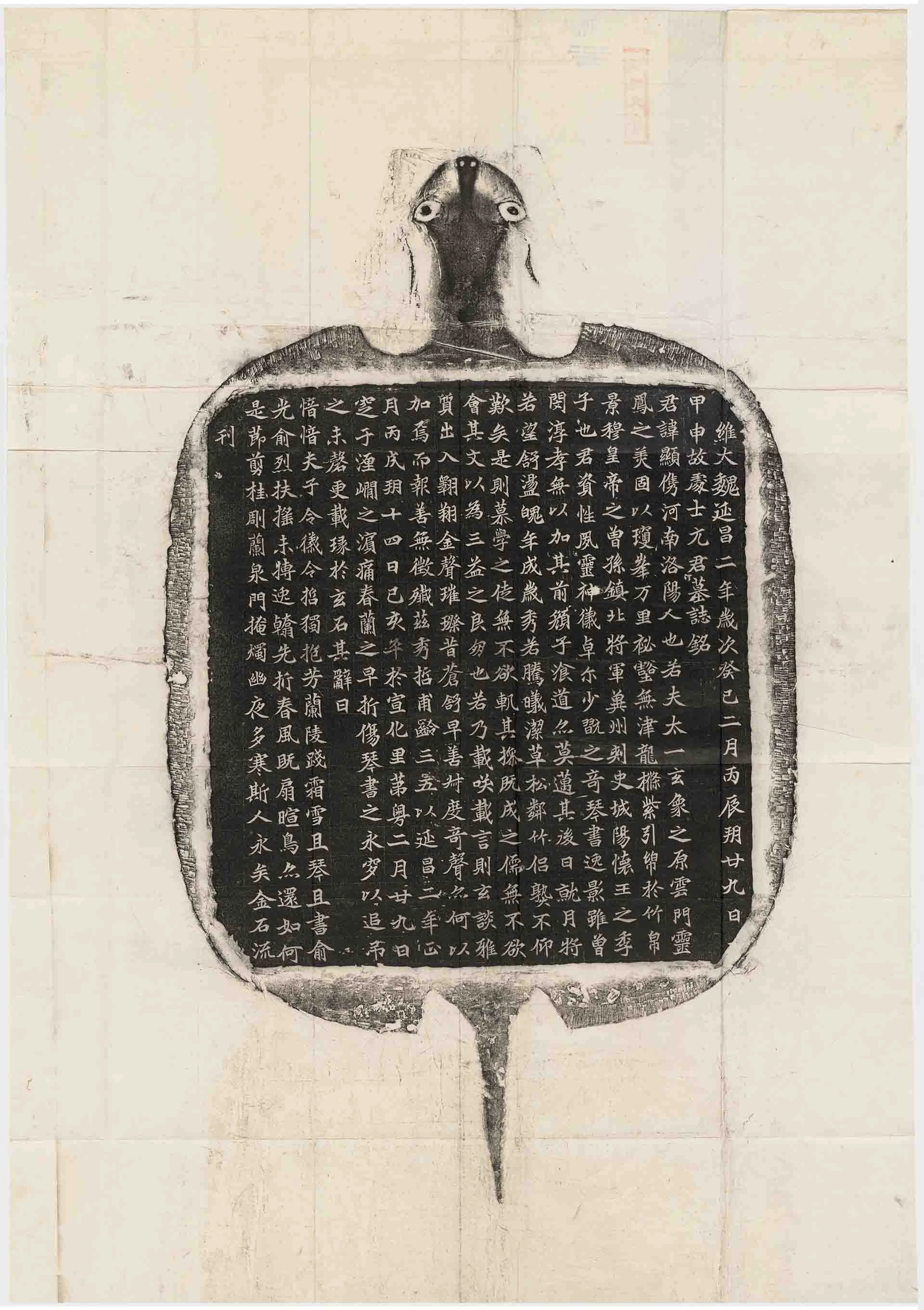
Bài viết phân tích hình thái văn thể và quy tắc thư tả của mộ chí minh (墓志铭) thời Trung cổ Trung Hoa, một thể loại văn học mang tính chất lịch sử, nghệ thuật và tư tưởng sâu sắc. Qua việc khảo sát ba tầng truyền tải của mộ chí — gồm vật truyền tải văn bản (giấy, đá), vật truyền tải thư pháp (vai trò của thư gia), và vật thể vật chất (cấu trúc chí cái, chí thể) — bài viết cho thấy mộ chí không chỉ là văn bản mà còn là hiện vật văn hóa đa chiều. Về mặt hình thái văn thể, mộ chí thời Trung cổ phát triển thành một thể tài chuẩn mực với kết cấu gồm chí văn và minh văn, thường tuân thủ khuôn mẫu “thập tam sự” (13 nội dung cố định). Ngoài ra, hiện tượng “chí-minh phân soạn” và sự giao thoa với các thể thơ đã làm phong phú hóa hình thức biểu đạt của mộ chí. Minh văn sử dụng nhiều thể thức thơ ca như tứ ngôn, sao thể, phân chương, từ đó thể hiện cả tính quy phạm lẫn sáng tạo cá nhân. Bài viết góp phần làm rõ giá trị văn học và văn hóa của mộ chí minh trong lịch sử văn học Trung Quốc.
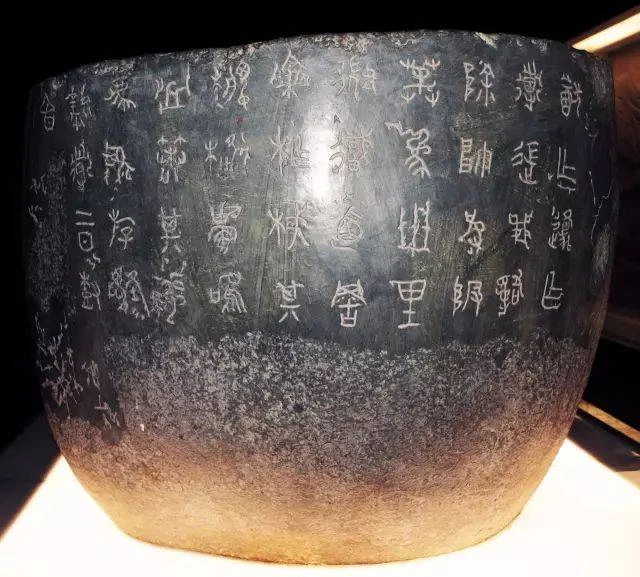
Triện thư (篆书), một trong những thể chữ cổ nhất của thư pháp Trung Hoa, đóng vai trò nền tảng cho sự phát triển các loại hình chữ viết sau này như Lệ thư, Khải thư, và Thảo thư. Bài viết khảo sát quá trình tiến hóa của Triện thư qua các giai đoạn lịch sử: từ Đại Triện thời Thương-Chu với các văn tự khắc trên đồ đồng (ví dụ 《毛公鼎》, 《散氏盘》), đến sự chuẩn hóa Tiểu Triện dưới thời Tần do Lý Tư (李斯) chủ trì, cùng những tác phẩm kinh điển như 《泰山刻石》. Đặc biệt, bài viết nhấn mạnh sự phục hưng của Triện thư thời Thanh với đóng góp của các danh gia như Đặng Thạch Như (邓石如) và Ngô Xương Thạc (吴昌硕), đồng thời phân tích mối liên hệ mật thiết giữa Triện thư và nghệ thuật khắc ấn (篆刻). Ngoài ra, nghiên cứu cũng đề cập đến những thách thức và định hướng sáng tác Triện thư trong bối cảnh đương đại, nhấn mạnh tầm quan trọng của việc kế thừa di sản văn tự cổ điển.
Từ khóa :
Triện thư; Đại Triện; Tiểu Triện; Lý Tư; Lý Dương Băng; Phục hưng Triện thư thời Thanh; 《泰山刻石》; 《石鼓文》; Phát triển thư pháp; Nghệ thuật khắc ấn.
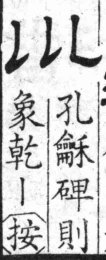
The hexagram Kun (坤), symbolizing Earth and Yin principle in the I Ching (周易), has undergone various graphical and phonetic transformations throughout Chinese script history. One of its earliest forms, the character 巛, appears in oracle bone inscriptions and bronze scripts, representing flowing streams or soil layers. Later standardization produced 坤, combining the semantic radical 土 (earth) with the phonetic-signifying 申 (originally denoting thunder or deity). This study traces the evolution and variant forms of Kun, examining ancient sources—Shuowen Jiezi (說文解字), Longkan Shoujing (龍龕手鏡), Jiyun (集韻)—and epigraphic evidence such as the Konghe stele (孔龢碑). By analyzing the paleographic, phonetic, and philosophical dimensions of 巛 and 坤, we reveal insights into early Chinese cosmology and script standardization.
Keywords: Kun, 巛, 坤, I Ching, Shuowen Jiezi, paleography, Chinese characters, Yin-Yang, variant script
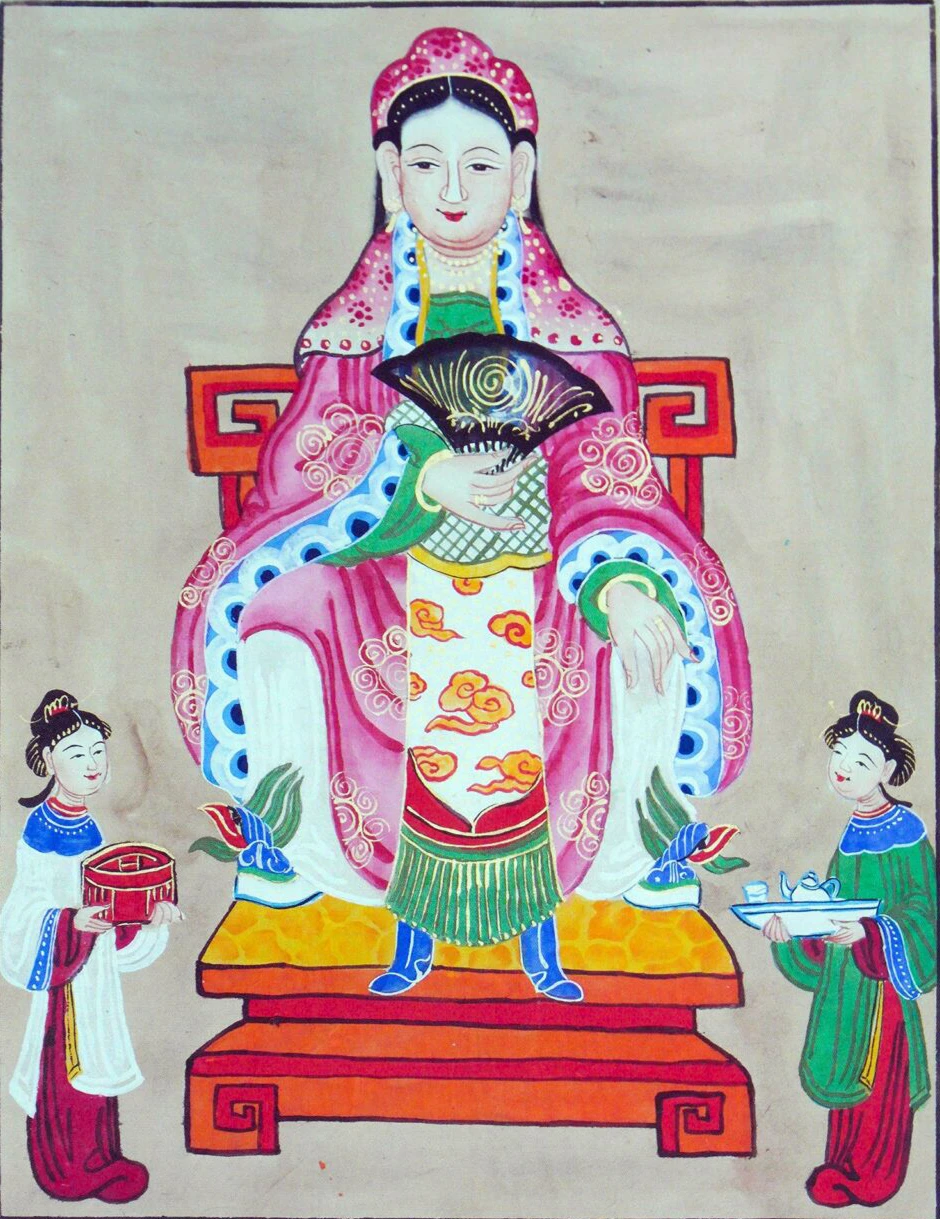
🕯️ BÀ CÔ TỔ – LINH HỒN NGOÀI LỀ HỆ THỐNG, TRỤ CỘT ÂM THẦM CỦA TỘC TỘC 🕯️
Trong mỗi gia đình người Việt, bàn thờ tổ tiên luôn chiếm vị trí trung tâm. Nhưng có một chiếc bàn thờ nhỏ hơn, đặt lặng lẽ bên gian phụ – nơi khói hương nghi ngút dâng lên mỗi dịp giỗ chạp – dành cho một người phụ nữ không chồng, mất sớm. Đó là bà cô tổ.
Vốn bị xem là "khuyết thiếu" trong cấu trúc phụ hệ – không nối dõi, không lấy chồng, không có "nơi để về" sau khi mất – vậy mà bà cô tổ lại được lập bàn thờ riêng, có tên hiệu, có ngày giỗ, và được truyền tụng là “rất thiêng”. Vì sao một linh hồn bên lề như vậy lại có thể trở thành điểm tựa tâm linh trong chính dòng họ ấy?
📜 Bài viết dưới đây là một hành trình tìm hiểu về tục thờ bà cô tổ – từ các văn bản Hán Nôm cổ, lời kể dân gian đến so sánh với tín ngưỡng nữ thần độc thân ở Trung Hoa. Một lát cắt văn hóa nơi phụ quyền và nhân văn giao thoa, nơi những "người không thuộc về" lại trở thành người giữ lửa cho cả một gia tộc.